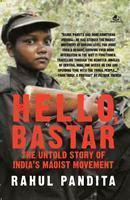
** spoiler alert ** The writing style of this book is not great, it read like a collection of essays instead of a good account of Naxal/Maoist history.
The content though, I think, reflects facts without (unreasonable) bias. The middle class city dwellers get to know only about the violence of Maoists, the ‘encounters’ by police and deaths on either side. Especially, my state government clamps down on Naxals mercilessly and Greyhounds take pride in that. It’s almost certain that half the encounters are fake, activists and courts have to go to great lengths to hold police accountable for their acts. And any one helping Naxals voluntarily or involuntarily go through immense trouble too.
“’We cannot allow the Republic killing its own children,’ a court bench observed.”
The underlying problems are well written in this book, they carry a common theme – oppression by upper castes, denial of opportunity by discrimination and apathy of ‘babus’.
“Apparently he had got a job and had even been sent an appointment letter. But the upper-caste staff at his village post office did not want him to get that job. They tore the appointment letter and threw it away.”
“Thousands of villagers were rendered homeless to make national parks for animals. For the State, the Adivasis counted for less than animals.”
“Even nation building and national consciousness get sacrificed at the altar of caste. Caste consciousness supercedes national consciousness, identity, loyalty—everything.”
Caste based discrimination is everywhere in India, it is even state sponsored in the form of reservation. The beneficiaries of reservation are not the people who really need it, it is the people who have enough knowledge and resources to use it. Only if reservations are taken away from people who don’t need it and reach people who really need it – the tribals, ‘lower caste’ people living in villages that don’t have access to state resources, uplifting will happen and will put an end to ‘revolution’ by Naxals.


